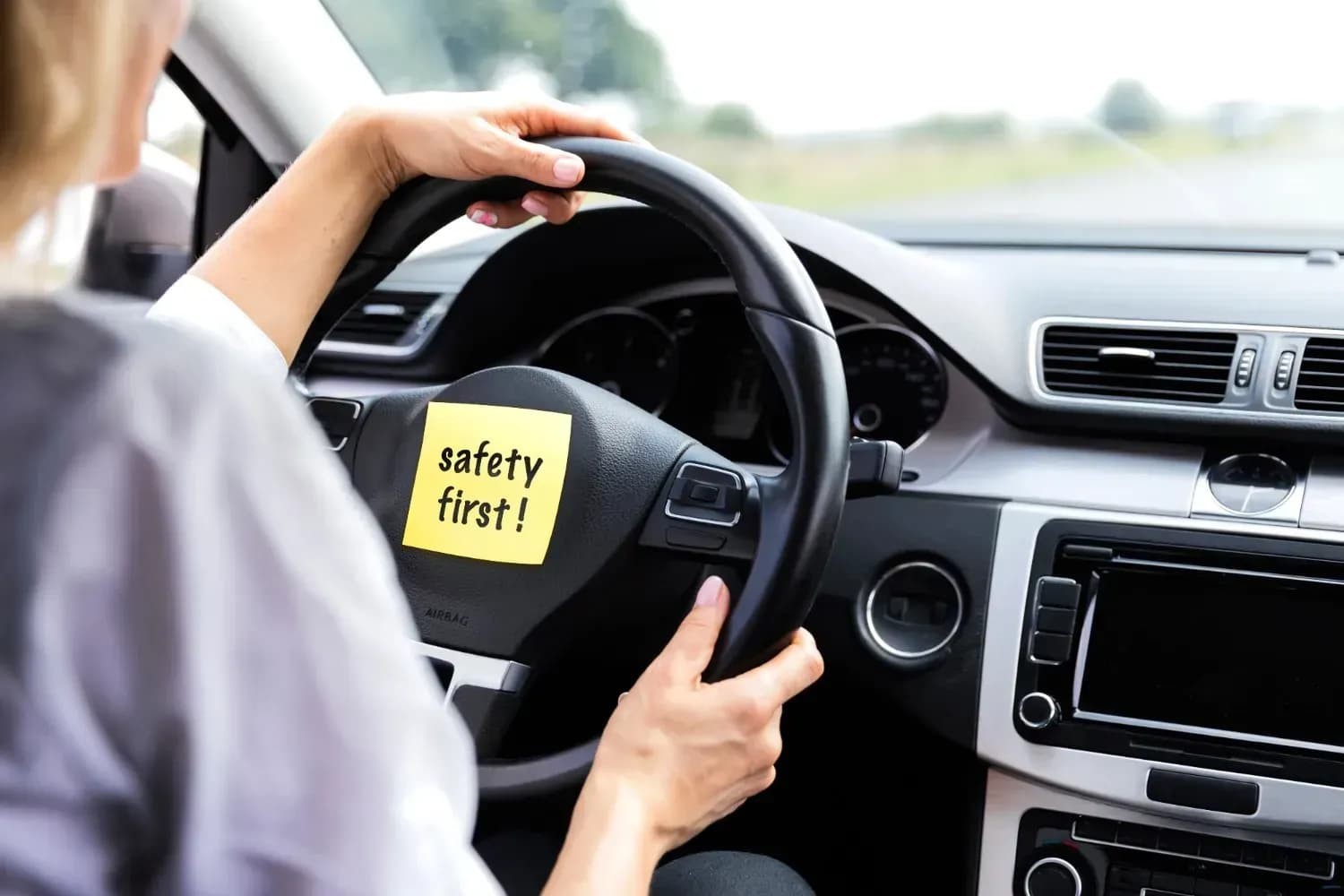
Most people have watched someone drive for years before they ever sit behind the wheel themselves. Parents, relatives, and friends make driving look ordinary. They turn, park, change lanes, and move through traffic without explaining every decision.
That experience can be helpful, but it can also create a problem. Not every habit you see is worth copying. Someone may have driven for twenty years and still rush a stop, signal late, or follow another vehicle more closely than they should. A learner needs to understand a habit before adopting it.
Familiar Does Not Always Mean Correct
When you have seen the same person drive hundreds of times, their habits begin to look normal. You may not even notice them.
Once you start learning, pay closer attention. Does the driver prepare early for turns? Are mirror checks consistent? Do they leave enough room ahead? Watching with questions in mind is very different from simply sitting in the passenger seat.
Ask Why Something Was Done
Suppose a family member slows down much earlier than you expected. Instead of copying the action without thinking, ask about it later. Perhaps visibility was poor, traffic ahead was building, or they had noticed a pedestrian near the road.
Understanding the reason matters because the next situation will not look the same. Good driving is not about memorizing what another person did at one particular corner. It is about recognizing when the same principle applies somewhere else.
Professional Feedback Gives You Another Reference Point
Family practice can be valuable, but learners may hear phrases such as, “That’s how I’ve always done it.” That explanation does not necessarily tell a beginner whether the technique is appropriate.
Working with a sugar land driving school gives learners an opportunity to receive instruction rather than relying entirely on habits picked up from people they know. Feedback can also help separate established driving techniques from shortcuts that may have become normal within the family.
Do Not Copy Someone’s Confidence
Experienced drivers often make decisions quickly because they have encountered similar situations many times. A learner watching from the passenger seat sees the quick decision but cannot see all the experience behind it.
There is no reason to match that speed immediately. Take the time you need to observe an intersection, judge the situation, and make your own decision. Confidence that grows from understanding is more useful than confidence borrowed from somebody else.
Speak Up During Practice
Practicing with a supervising adult can become confusing when their instructions differ from what you have previously learned.
Do not turn the disagreement into an argument while the vehicle is moving. Continue driving safely and discuss it somewhere appropriate afterward. A specific question “Why did you want me to move over there?” is easier to answer than silently wondering which method is right.
Test Day Is Not the Time to Change Everything
When learners prepare to schedule driving test texas, they sometimes begin collecting last-minute advice from everyone they know. One friend suggests one technique, while a relative insists on another.
Too many new instructions can make familiar actions feel uncertain. Test preparation is better used for reinforcing sound habits that have already been practiced. If something genuinely needs correction, work on it properly rather than trying an unfamiliar approach for the first time just before the test.
Become Your Own Observer
Eventually, learners need to evaluate their own driving. After a session, think about moments that felt rushed or uncomfortable.
Maybe you followed traffic into an intersection without checking enough for yourself. Perhaps you copied another vehicle’s speed without considering the situation ahead. Noticing these moments is a sign that you are beginning to make decisions independently.
Conclusion
Learning from other drivers is unavoidable, and plenty of what they demonstrate may be useful. The important part is understanding why a habit works instead of assuming that years of experience automatically make every habit a good one.
Over time, a learner should need less imitation and more personal judgment. That shift from copying what someone else does to understanding what the road requires is an important part of becoming independent. Driver education, practical instruction, and testing services available through myfirstdrive.net can support Texas learners while that judgment develops.