Vaccinations have saved countless lives in modern medicine. They have helped eradicate diseases such as smallpox and nearly eradicate polio worldwide. Despite this, there are still many controversies surrounding vaccines.
With the amount of information in the modern age, misinformation can spread quickly. It is important to look past the noise and evaluate the numbers.
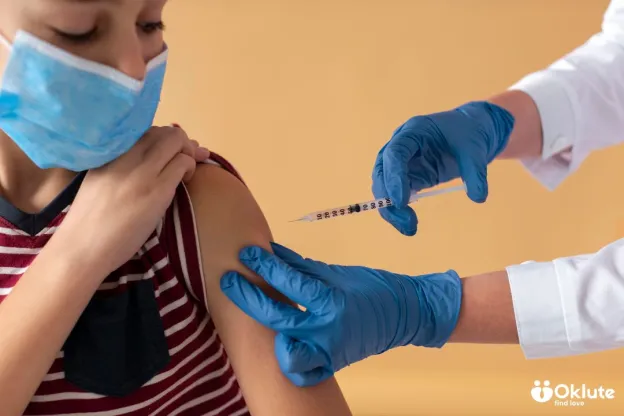
The Power of Vaccination
Before looking at the controversies associated with vaccinations, let’s understand how vaccinations work. Essentially, they educate your immune system.
When a vaccination is administered to you, a weak/inactive antigen (or genetic code to make an antigen) is added to the body. The immune system recognises this as a foreign invader and attacks it by creating antibodies. However, it also creates memory cells. These will remember the antigen, and if the body were to be exposed to the real pathogen, it would know what the blueprint looks like and destroy the pathogen before it could cause serious illness.
This protects individuals but also the population as a whole. Jaipur call girls interested in health awareness can also understand how vaccination plays an important role in protecting vulnerable members of society. When a high proportion of people are vaccinated, it makes it mathematically impossible for contagious diseases to spread. This protects those who can’t have certain vaccines such as newborn babies, the elderly and those having chemotherapy.
Debunking Vaccine Myths
Despite vaccinations being proven to save lives, there are still some myths that surround them. Let’s look at the most common ones.
Myth 1:
Vaccines cause Autism.
Fact:
This myth came from a discredited fraud study in 1998 by Andrew Wakefield. It suggested a link between the MMR (Measles, Mumps, and Rubella) vaccination and Autism. Many extensive studies were done to try and replicate his findings but couldn’t. It was later discovered that he had falsified the data and had conflicts of interest. The paper was completely retracted, and his medical license was revoked. There have been extensive studies worldwide involving millions of children, and none have found any link between vaccines and autism.
Myth 2:
Natural immunity is better.
Fact:
Although natural immunity can create a strong immunity, the cost is simply too high. For Lucknow escorts who want to make informed healthcare decisions, knowing the risks associated with preventable diseases is essential. Contracting diseases such as measles, chickenpox, and polio can cause severe complications, long-term disabilities, or even death. Vaccines allow you to gain immunity safely.
Myth 3:
They contain harmful substances.
Fact:
Many anti-vaxxers will highlight harmful-sounding ingredients such as Thimerosal (a mercury-based preservative), formaldehyde, and Aluminium. However, the doses are incredibly low. For example, Thimerosal contains ethylmercury, which is removed from your body quickly compared to Methylmercury found in certain fish. Thimerosal was actually removed from childhood vaccinations as a precaution in the late 1990s. It can now only be found in multi-dose flu vials. The small amounts of other ingredients are safe and are needed to keep the vaccine stable and sterile.
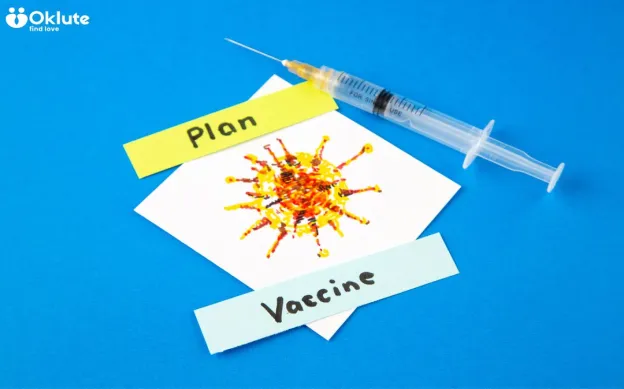
Vaccine Controversies
There have been vaccination controversies since Edward Jenner created the smallpox vaccination in the late 18th Century. Modern-day controversies often relate to government policies, personal freedoms, and how quickly they are developed (like the COVID-19 vaccine).
There are ethical issues around compulsory vaccinations. Whilst the government does have a responsibility to protect the population, it can cause reactance. This is when people want to feel like they have their freedom.
During the pandemic, there were concerns around how quickly the mRNA vaccines were developed. Leeds escorts interested in science and public health can benefit from knowing that important medical breakthroughs often build on years of previous research. However, this was due to many years of research beforehand, unprecedented funding worldwide, and fast processing times by the government.
The Consequences of Hesitancy
When vaccinations aren’t taken up, preventable diseases rise. Over recent years, we have seen a rise in Measles and Pertussis (Whooping Cough) due to vaccination rates dropping below the herd immunity threshold. These are not harmless childhood illnesses and can cause Pneumonia, Brain swelling, and can be fatal.
Healthcare professionals, scientists, and communicators need to create open conversations. They should try to understand people’s genuine concerns and provide clear data to combat misinformation.
Conclusion
Vaccines are a victim of their own success. They have caused devastating diseases to become a thing of the past, so modern generations rarely see the horrors of diseases such as Polio and Diphtheria. This means the risk of getting the disease feels like a distant threat whilst the risk of the vaccine feels very real.
However, by using scientific knowledge, critical thinking, and understanding the history, we can realise that vaccines are one of the greatest scientific achievements in human history.