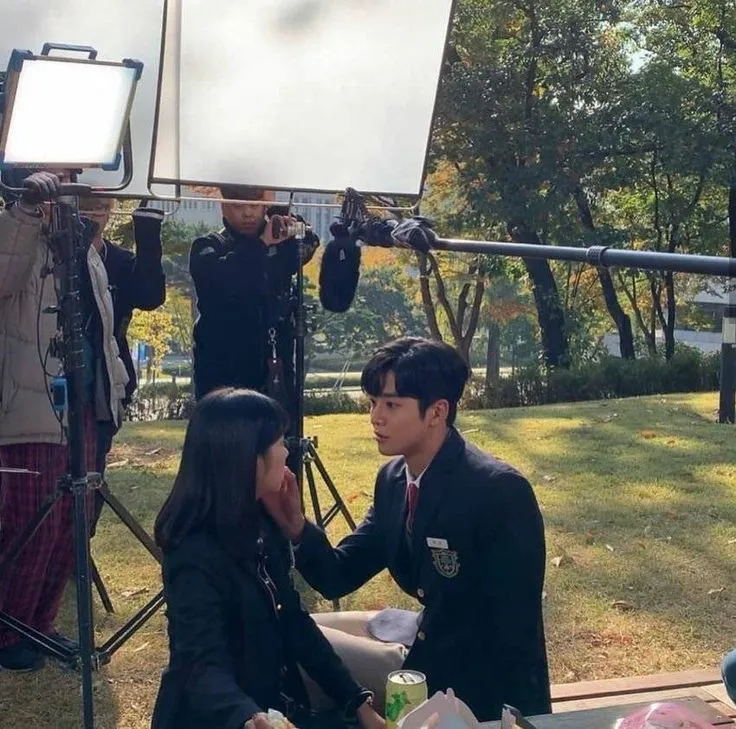
Natural light can make ordinary locations look cinematic without requiring complicated equipment. However, sunlight changes throughout the day, and those changes can create unexpected problems during filming. In a busy city like Seoul, tall buildings, narrow streets, reflective windows, and unpredictable weather influence how light reaches the camera. A beautiful location in the morning might look completely different by afternoon. Successful video production requires careful planning so filmmakers can use available daylight creatively while maintaining consistency, avoiding unnecessary delays, and keeping their shooting schedules manageable.
Understand How Natural Light Changes Throughout the Day
Morning sunlight often creates softer shadows and a gentle atmosphere suitable for interviews, lifestyle videos, and documentary scenes. As the sun rises, stronger overhead light can produce harsh facial shadows and uncomfortable contrast. Late afternoon may offer warmer tones, but the available filming window becomes shorter.
These differences matter when planning consecutive scenes. If two interviews are intended to appear as though they happened in similar conditions, major lighting changes can create visual inconsistencies. Understanding the direction, intensity, and timing of sunlight helps cinematographers choose locations and camera positions more effectively.
Scout Locations at the Right Time
Location scouting should involve more than checking whether a setting looks attractive. Filmmakers need to understand how sunlight enters the space during their planned shooting hours. A rooftop may receive excellent morning light but become difficult to use when neighboring buildings cast shadows.
Working with a pre-production agency in Seoul can help international crews coordinate location scouting, scheduling, and logistical preparation. During scouting, teams should examine window positions, reflective surfaces, nearby buildings, and possible alternatives. Photographs and lighting notes provide useful references when finalizing the shooting schedule.
Arrange the Shooting Schedule Around Available Daylight
A realistic filming schedule considers both creative requirements and changing environmental conditions. Outdoor scenes that depend on a particular lighting atmosphere should receive priority during suitable hours. Interior interviews with controllable lighting can often be scheduled when outdoor conditions become less favorable.
Travel time, equipment setup, and unexpected delays must also be considered. Scheduling several distant locations during a short daylight window increases pressure on the crew. Producers should include reasonable buffers and identify which scenes can be moved without affecting the overall production.
Use Simple Equipment to Control Difficult Lighting
Natural lighting does not mean filming without additional tools. Reflectors can redirect sunlight toward a subject, while diffusion materials soften harsh shadows. Negative fill can increase contrast when daylight creates a flat appearance. Small LED fixtures may help balance window light during indoor interviews.
The equipment chosen should match the location rather than complicate it. Large lighting arrangements may be unsuitable for narrow streets or crowded commercial spaces. An experienced production company in korea can help coordinate professional crews and suitable equipment for different filming environments. Practical lighting decisions should support the story without creating unnecessary logistical challenges.
Maintain Visual Consistency Between Different Shots
Lighting continuity becomes important when scenes are filmed over several hours or across multiple days. Changes in brightness, color temperature, and shadow direction can make connected shots appear visually unrelated. This is especially noticeable during interviews that require several camera angles.
Production teams can reduce these problems by recording lighting settings, monitoring exposure, and maintaining consistent camera white balance where appropriate. Positioning interview subjects away from rapidly changing direct sunlight can also help. Careful planning during filming reduces the amount of corrective work needed during editing.
Prepare Backup Plans for Unpredictable Weather
Weather conditions can change quickly, affecting outdoor shoots and locations that depend on window light. Cloud cover may soften harsh sunlight, while heavy rain can interrupt filming entirely. A strong production plan accounts for these possibilities before the crew arrives.
Alternative indoor locations, flexible interview arrangements, and weather-independent scenes provide useful options. Producers should also establish clear communication procedures so crew members, participants, and location contacts receive timely updates when schedules change.
Conclusion
Working with natural light requires observation, flexibility, and thoughtful production planning. Understanding sunlight patterns, scouting carefully, managing equipment, and preparing weather alternatives can improve both efficiency and visual quality. Rather than treating changing daylight as an obstacle, filmmakers can use it to create atmosphere and strengthen storytelling. A well-organized shooting schedule allows creative teams to respond to environmental conditions while maintaining consistent footage and protecting the overall production timeline.