

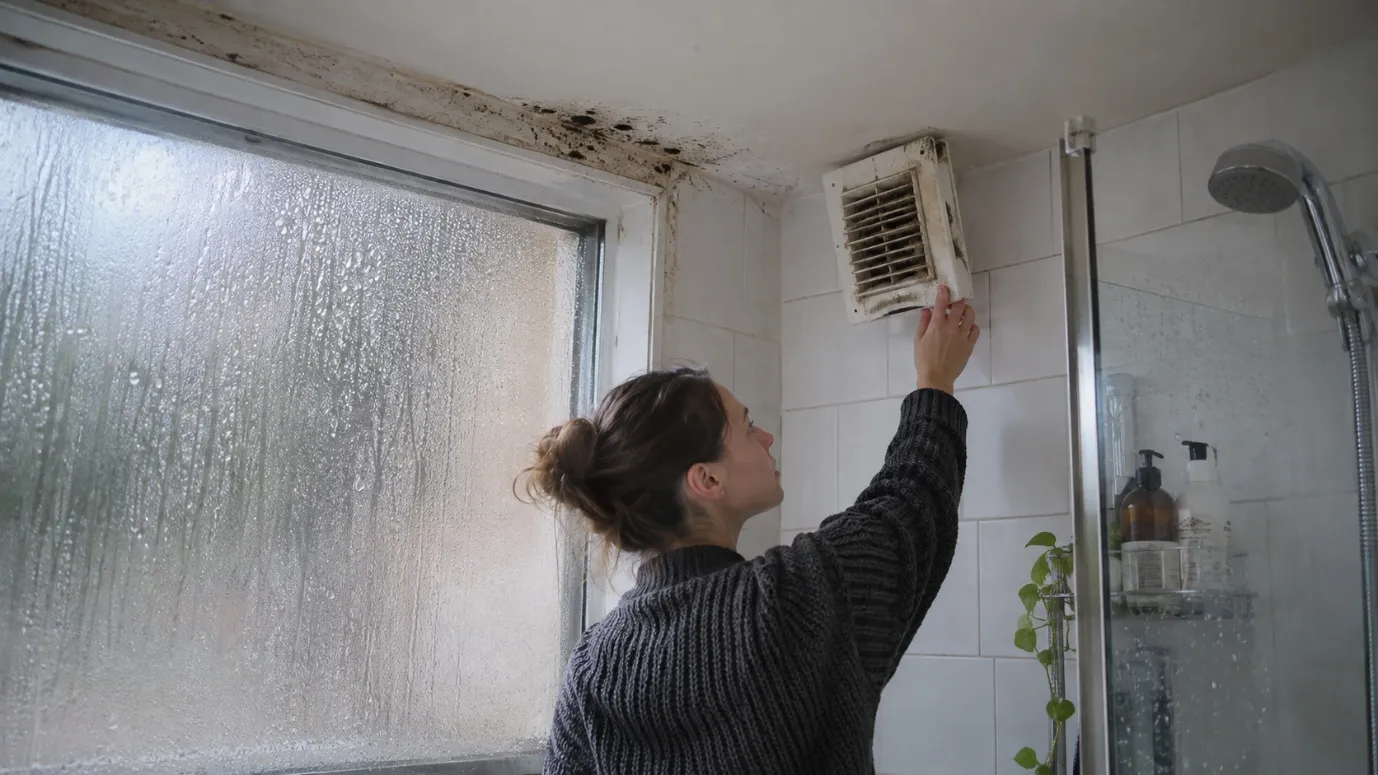
Moisture collecting on bedroom windows or bathroom ceilings may seem like a minor inconvenience until dark patches begin appearing across nearby surfaces. In Los Angeles rental apartments, inadequate ventilation can contribute to persistent condensation and indoor mold problems. Determining whether the issue involves building defects or everyday household activities requires careful investigation. A black mold attorney may help tenants evaluate their rights when serious moisture conditions remain unresolved. Understanding ventilation requirements, documenting recurring problems, and identifying practical solutions can prevent disagreements from becoming more complicated.
Recognize The Warning Signs Of Condensation
Condensation develops when moist indoor air contacts cooler surfaces, leaving water droplets on windows, walls, or other building materials. Repeated dampness around window frames, peeling finishes, and musty odors may indicate inadequate moisture control. Bathrooms without effective exhaust systems and poorly ventilated kitchens can experience similar conditions. However, visible moisture does not automatically identify the underlying cause. Residents should observe when condensation appears, how long surfaces remain wet, and whether the problem persists despite reasonable ventilation practices during normal household activities throughout the day.
Investigate Whether Ventilation Systems Function Properly
An installed exhaust fan does not necessarily provide effective ventilation. Blocked ducts, damaged motors, disconnected outlets, and improper installation can prevent moist air from leaving enclosed rooms. Tenants should report equipment that fails to operate or appears ineffective during ordinary use. Property managers may need qualified technicians to inspect mechanical systems and determine whether repairs are necessary. Existing building characteristics and applicable code requirements can influence the assessment. Professional findings are more reliable than assuming occupants must simply keep windows open regardless of weather or security concerns.
Separate Tenant Habits From Building Defects
Daily activities such as cooking, bathing, and drying laundry indoors introduce moisture into residential spaces. Occupants can reduce avoidable humidity by using functioning exhaust systems and following reasonable maintenance practices. Nevertheless, responsible household behavior cannot compensate for every defective window, leaking pipe, or inadequate building ventilation system. Disputes sometimes arise when landlords attribute persistent mold entirely to tenant activities. A balanced investigation should examine both occupancy patterns and physical conditions. Identifying the actual moisture source is essential before assigning responsibility or recommending lasting corrective measures.
Understand California Housing Standards And Protections
California housing standards recognize that serious dampness and qualifying visible mold can create substandard residential conditions. The significance of a particular problem depends on its extent, cause, and effect on occupants. Tenants facing unresolved ventilation defects may consult mold attorneys los angeles to evaluate potential habitability concerns and available remedies. Landlords generally have responsibilities concerning habitable housing, while tenants also have obligations related to reasonable property use. Neither party should assume that every instance of bathroom condensation automatically establishes a legal violation under California law.
Record Moisture Patterns With Consistent Evidence
Evidence collected over several weeks can help demonstrate whether condensation is an occasional occurrence or a persistent building concern. Tenants may photograph affected surfaces, record dates, and document when ventilation equipment operates. A household humidity monitor can provide useful observations, although readings alone cannot determine legal responsibility or establish the extent of contamination. Written maintenance requests should describe observable conditions without unsupported medical conclusions. Keeping records of inspections, repairs, and landlord responses creates a clearer history that professionals can examine when investigating unresolved moisture problems.
Seek Effective Repairs Instead Of Temporary Cleaning
Cleaning visible discoloration may improve appearance without preventing future growth if excess moisture remains. Appropriate corrective work could involve repairing exhaust systems, fixing window leaks, improving drainage, or addressing damaged building materials. The solution depends on professional findings rather than a universal remediation method. California public health guidance emphasizes correcting dampness and safely removing affected materials when necessary. Tenants should request explanations about proposed repairs and monitor whether conditions improve afterward. Repeated surface cleaning without addressing the cause may leave the original concern unresolved.
Conclusion
Persistent indoor condensation deserves attention when it leads to damaged surfaces, recurring mold, or concerns about living conditions. A productive response begins with investigating airflow, checking building systems, and identifying the actual moisture source. Residents should focus on reliable evidence and corrective work rather than assumptions about blame. For disputes involving unresolved hazards, the tenant representation offered by mehdlaw.com may provide a route toward understanding available legal options. Addressing ventilation problems early can support healthier indoor conditions and reduce the likelihood of prolonged property disagreements.
