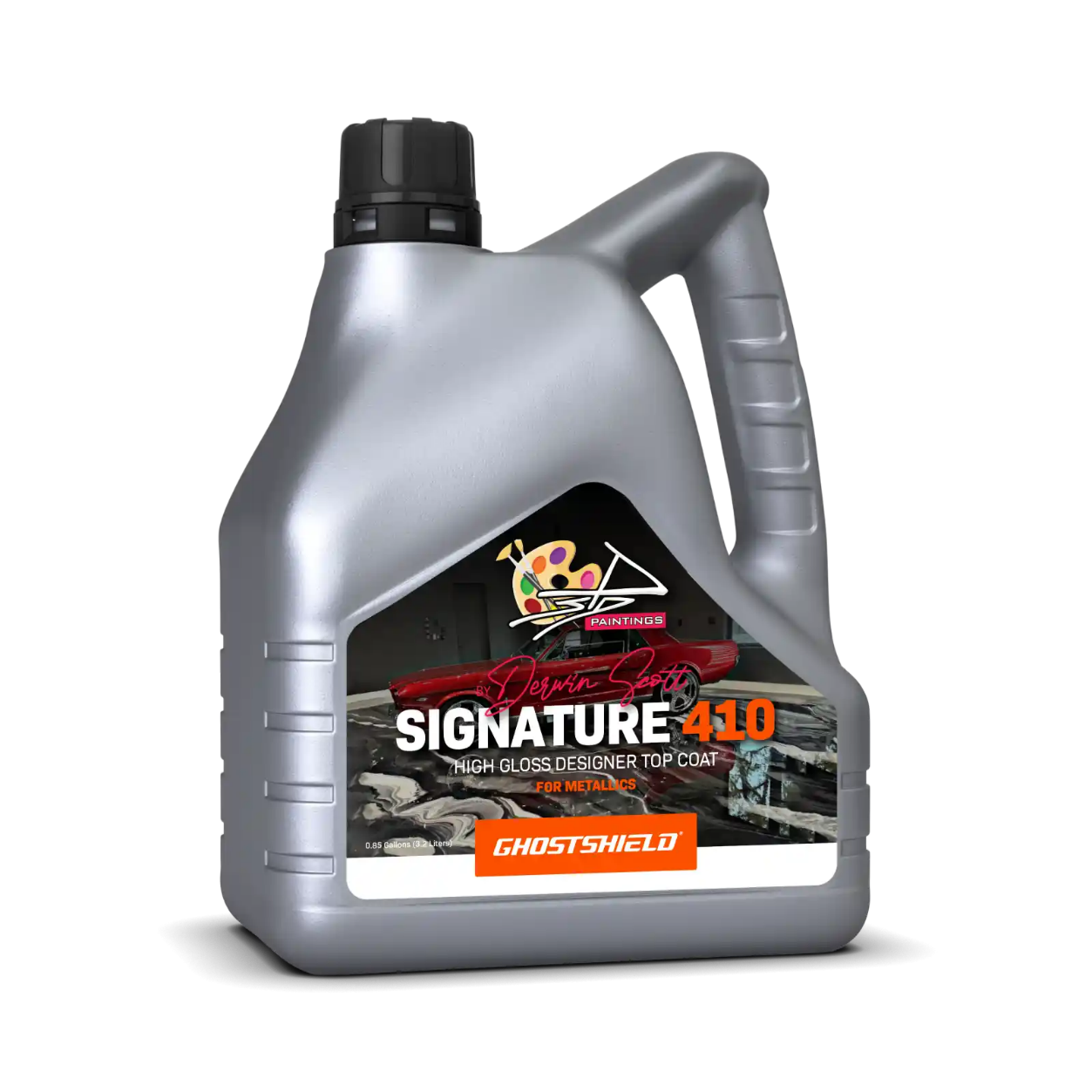
Ordering materials for a concrete coating job involves more than estimating the floor area and selecting a product from a shelf. Contractors need to consider the complete system, substrate condition and application requirements before quantities are finalized. When researching signature 410 los angeles, current product information should be reviewed so purchasing decisions are connected to the specific project rather than assumptions from previous installations.
Good ordering practices can reduce waste and avoid shortages during time-sensitive application stages. Measurements, preparation requirements, tools and site conditions should therefore be organized before the final materials list is submitted.
Start With the Project Scope
Define exactly which surfaces are included in the job. Garages, commercial floors and decorative areas can contain separate sections that are easy to overlook when estimating quickly.
Record dimensions and identify any unusual areas. A clear scope gives the contractor a reliable starting point for material calculations and labor planning.
Assess the Concrete
Existing surface conditions can influence what products and preparation materials are required. Old coatings, cracks, repairs, contamination and uneven sections should be documented.
An inspection may also reveal that the original project description does not fully reflect the amount of work involved. Identifying these differences before ordering helps reduce last-minute changes.
Understand Each Layer of the System
A coating project may involve several components rather than one product. Preparation materials, primers, decorative elements and finishing layers can each have separate requirements.
List the stages in installation order. This makes it easier to confirm that every necessary component has been included and that the products are intended to work together as specified.
Choose a Supplier With Project Details Ready
Someone visiting an epoxy resin store los angeles can have a more focused discussion by bringing measurements, substrate information and details about the proposed system. Arriving without this information can make it harder to determine what needs to be confirmed.
Contractors should still verify technical requirements using current manufacturer documentation. Supplier guidance can support purchasing, but product specifications should remain an important reference.
Calculate Quantities Carefully
Use actual measurements instead of rough estimates whenever possible. Irregular areas can be divided into simple sections before their measurements are combined.
Coverage figures should be taken from information for the specific product being used. Application requirements and substrate conditions can differ, so a generic figure should not automatically be applied to every material.
Review Tools and Consumables
A complete order may need more than the main coating components. Mixing containers, application equipment and other job-specific consumables should be checked before work begins.
Reusable tools should also be inspected. Discovering that an important item is damaged after materials have already been mixed can create unnecessary problems during installation.
Check Storage Requirements
Materials may need to be stored according to specific manufacturer instructions before they are used. Contractors should review these requirements, particularly if products will remain in a vehicle, warehouse or job site for a period.
Keeping products organized by installation stage can also make inventory easier to manage. Labels should remain visible so different components are not confused.
Confirm the Order Before Installation
A final inventory check several days before the scheduled project can identify missing or incorrect items while there is still time to respond.
Compare delivered products against the materials list and check quantities. Any questions about product compatibility or technical requirements should be resolved before application begins.
Record Actual Material Use
After the project, compare estimated quantities with what was actually used. This can provide valuable information for future jobs.
If there is a consistent difference between estimates and real usage, review the measurement or calculation process. Maintaining basic records can gradually improve ordering accuracy.
Conclusion
Material ordering becomes more reliable when it is treated as part of project planning rather than a separate purchasing task. Accurate measurements, substrate assessment, system specifications and equipment checks all contribute to a more complete order.
A final inventory review before installation can prevent many avoidable delays. Recording actual usage afterward also helps contractors refine future estimates and build a more consistent process for preparing materials before each project.