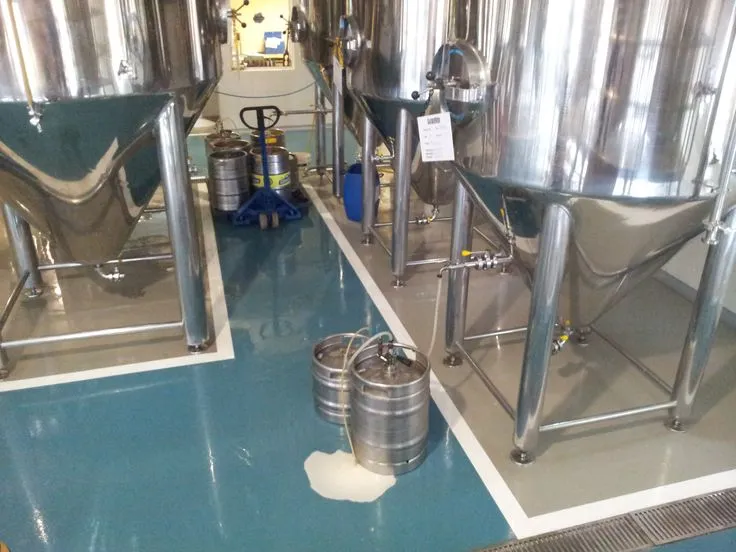
Dairy-processing floors operate beneath a production environment where liquids, fats, cleaning chemicals, carts, containers, and frequent sanitation all come together. Milk, cream, whey, and other product residues can reach the surface during transfer, filling, packaging, or equipment cleaning. At the same time, production teams need floors that remain practical to wash and inspect. Rather than treating a dairy facility like an ordinary commercial kitchen, managers should evaluate wet processing, temperature exposure, drainage, and equipment movement as separate flooring demands.
Product Residue Changes Cleaning Needs
Milk and dairy ingredients can leave films or residues when spills are not removed quickly. These materials may be especially difficult to manage when they reach cracks, damaged joints, porous concrete, or worn coatings.
A continuous resinous surface can reduce the number of open seams where product residue collects. However, routine sanitation still matters.
Managers should identify which production areas experience the most frequent spills so cleaning practices and flooring specifications can be matched to actual operating conditions.
Wet Processing Areas Need Careful Design
Dairy production often involves frequent water use around processing, filling, and sanitation. Some areas may remain damp for extended periods even when other sections of the facility stay comparatively dry.
Facilities researching Commercial Kitchen Epoxy Flooring In Green Brook should consider how water moves across the floor and whether existing slopes direct it efficiently toward drains.
Standing water can indicate a substrate or drainage problem that a resin coating alone cannot correct.
Cleaning Chemicals Add Another Exposure
Sanitation may involve detergents, disinfectants, degreasers, and other cleaning products used repeatedly throughout the production schedule.
Facility managers should document the products normally used, their typical concentrations, and how frequently floors are cleaned. The flooring contractor can then consider whether the proposed resin chemistry and protective layers are suitable for those conditions.
The goal is to select a floor around the facility’s actual sanitation program rather than asking employees to redesign proven cleaning procedures around an unsuitable finish.
Temperature Changes Can Be Significant
Dairy facilities may contain refrigerated areas, processing zones, warm cleaning water, and equipment that operates at different temperatures.
Transitions between these conditions can place stress on flooring systems over time. Cooler doorways, washdown zones, and processing areas deserve particular attention because they may experience repeated temperature changes along with moisture.
Managers should explain these conditions during the specification stage so the flooring system reflects realistic exposure.
Wheeled Containers Create Mechanical Wear
Dairy production also involves significant material movement. Ingredient containers, mobile racks, carts, pallet jacks, and packaged products may travel through the same routes repeatedly.
Narrow wheels can create concentrated stress at joints, thresholds, and turning locations. Small defects that seem insignificant under foot traffic may become more noticeable when loaded carts cross them throughout every shift.
Traffic routes should therefore be mapped along with wet-processing areas.
Drain Surrounds Need Detailed Inspection
Drains collect product residue, wash water, and cleaning chemicals, making their surrounding concrete an important maintenance zone.
Facilities considering Food And Beverage Flooring Services In Nj should inspect drain edges for cracked concrete, failed patches, low areas, or worn coating before resurfacing.
A resinous system can create a clean transition around a drain only when the substrate underneath is stable and properly prepared.
Texture Should Remain Washable
Additional surface texture can improve traction in areas where liquids are common, but excessive roughness may trap dairy residue and increase sanitation effort.
Wet filling or processing zones may justify more texture than dry packaging or storage areas. Employee footwear, water exposure, cleaning tools, and wheeled equipment should all influence the chosen profile.
A zone-based approach can provide practical traction without making every section equally difficult to clean.
Packaging Areas Need Different Priorities
Once dairy products are sealed and packaged, flooring exposure often shifts from liquids toward carts, pallets, and material-handling traffic.
These drier zones may not require the same texture or thermal-performance priorities as processing areas. They may instead place greater emphasis on abrasion resistance and smooth movement of pallet jacks or carts.
Recognizing these differences can prevent one demanding wet zone from dictating the flooring specification for the entire facility.
Conclusion
Dairy-processing flooring must support sanitation, wet production, product residue, temperature changes, drainage, and constant material movement. These demands vary substantially between processing, refrigeration, packaging, and storage areas.
A stronger flooring strategy begins by dividing the facility according to actual exposure. Suitable resin chemistry, proper concrete preparation, effective drainage, practical texture, and focused maintenance can then be matched to each zone. By planning around real dairy-production workflows, facility managers can create surfaces that are easier to clean, inspect, and maintain throughout demanding daily operations.